We could have bought the same flour anywhere. We bought it here.
Ten farms and producers supply most of what comes out of our kitchen. Every season changes the list. We print the current roster on the back of the menu, in pencil, because we know it will change again next month.
"The shorter the distance from the farm to the plate, the better the food. That's not a philosophy. It's just true."
— Our kitchen rule
Meet a few of the people behind the food.
Some we've been buying from since we opened. Some are new this year. All of them, we know by name.
Charlotte Mill
A stone-ground flour mill in Charlotte, about an hour south. The wheat is grown within 50 miles of the mill and milled fresh every week. We use their bread flour for the pizza dough and their tipo 00 for the pasta. Both have a faint nutty character you don't get from commodity flour.
Tucker Mountain Farm
Three miles from our kitchen, run by a couple who left Burlington fifteen years ago for the quiet. They grow our basil, our arugula, our tomatoes in season, and the heirloom garlic we use in the Sunday sauce. In winter they operate a small greenhouse, so we get fresh herbs year-round.
Cold Hollow Dairy
A small grass-fed dairy in the Cold Hollow mountains. They supply the whole-milk mozzarella we use on nearly every pie and the fresh ricotta for the white pie and the meatballs. Their milk changes with the season — richer in the fall — and the cheese follows.
Sweet Row Farm
Heritage-breed pigs, pasture-raised, fed on spent grain from a Vermont brewery. They supply the pork for the sausage, the meatballs, and the ragù. The flavor is deeper and more complex than commodity pork — you can taste the difference in a meatball sub, which surprises people.
Winding Brook Creamery
An artisan creamery in the Northeast Kingdom, about an hour east. They make the aged cheddar for the Vermont Harvest pie and the parmesan-style grating cheese we use on every pasta. Their wheels age for at least 18 months. We buy them whole and grate them in-house.
Marsh Road Bakery
A two-person bakery in a converted barn. They supply the seeded rolls for all of our subs and the grilled bread that comes with every pasta dish. Both are baked the morning we serve them. The rolls arrive still warm on Fridays.
What's fresh, month by month.
Vermont has a short growing season. We plan around it. Here is what changes on the menu throughout the year.
Current month highlighted.
| Produce | Available | On the menu |
|---|---|---|
| Heirloom tomatoes | July – September | Caprese, bruschetta, Margherita |
| Fresh basil | June – October | Margherita, pesto trofie |
| Sweet corn | August – September | Late-summer pizza special |
| Butternut squash | September – November | Vermont Harvest pie |
| Wild mushrooms | September – October | Veggie pie, seasonal specials |
| Arugula | May – October, then greenhouse | Fig & prosciutto pie |
| Roasted peppers | August – October | Sausage & peppers sub |
| Garlic (cured) | Year-round, from storage | Sunday sauce, garlic knots |
The basil that changed our Margherita.
When we opened in 2019, we bought basil from a distributor. It came in plastic clamshells, already a day old, with a faint chemical smell that never quite left no matter how much we rinsed it. The Margherita was fine. It was not great.
In 2020, a customer told us about a farm three miles up the road that grew basil in a hoop house. We called. The farmer, who had never sold to a restaurant before, invited us over. We walked into the greenhouse and the smell was so intense it made us laugh out loud. We bought every leaf he had. He asked what we wanted it for. We said pizza. He said he would plant more next season.
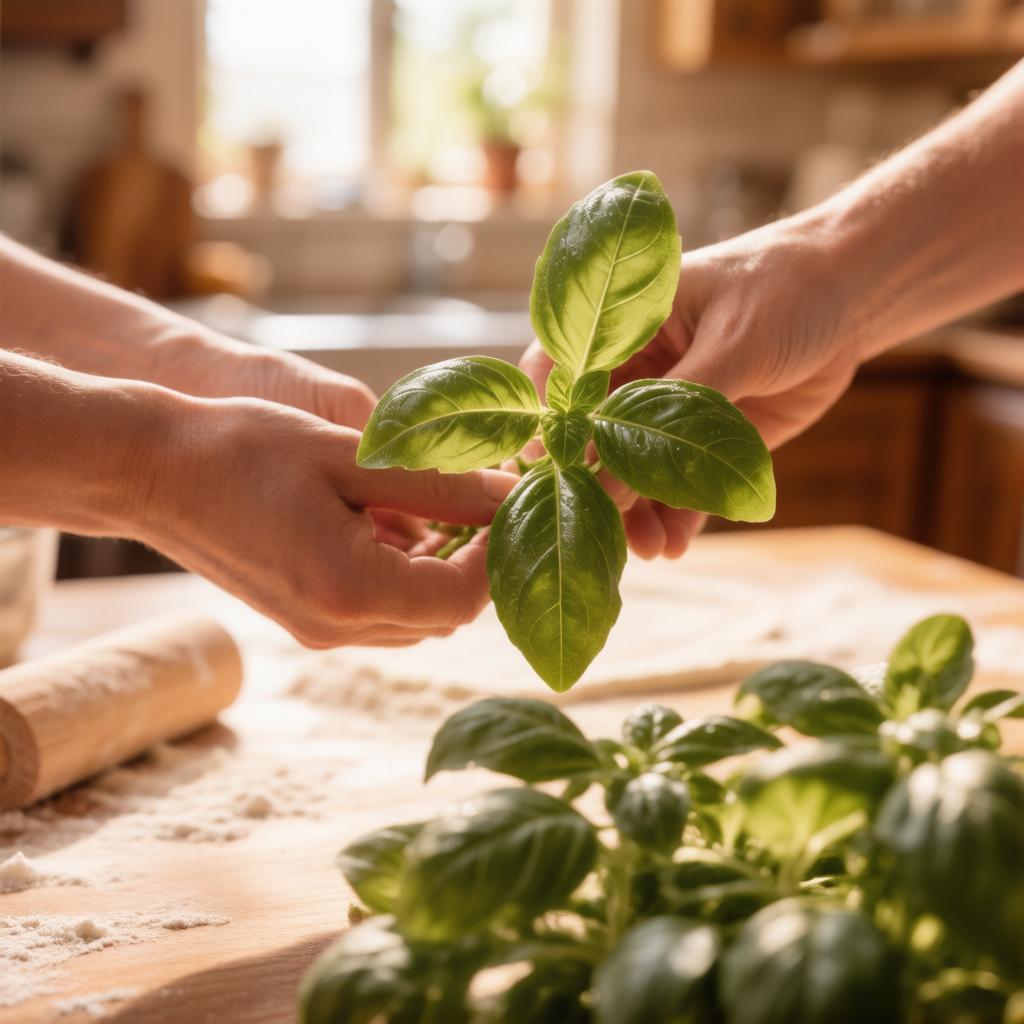
That farmer is now one of our regular suppliers, and his basil is on every Margherita we serve between June and October. The pie is not objectively different in any way you could measure — same dough, same sauce, same cheese. But the basil changes the entire experience of eating it. This is not romanticism. This is just what food does when it hasn't spent a week in a box.
We cannot do this with everything. We cannot grow basil in February. But we can do it with more than most restaurants bother to. That's the whole idea of this page.